
If damping shock absorbers cannot effectively control vibrations, it not only increases carriage noise but can also cause passengers to experience noticeable swaying, impacting the overall riding experience.
In the realm of medical mobility aids, the wheelchair is not merely a tool but a vital extension of the user's independence. At the heart of a high-performance wheelchair lies the front fork, a critical structural component that bears significant dynamic
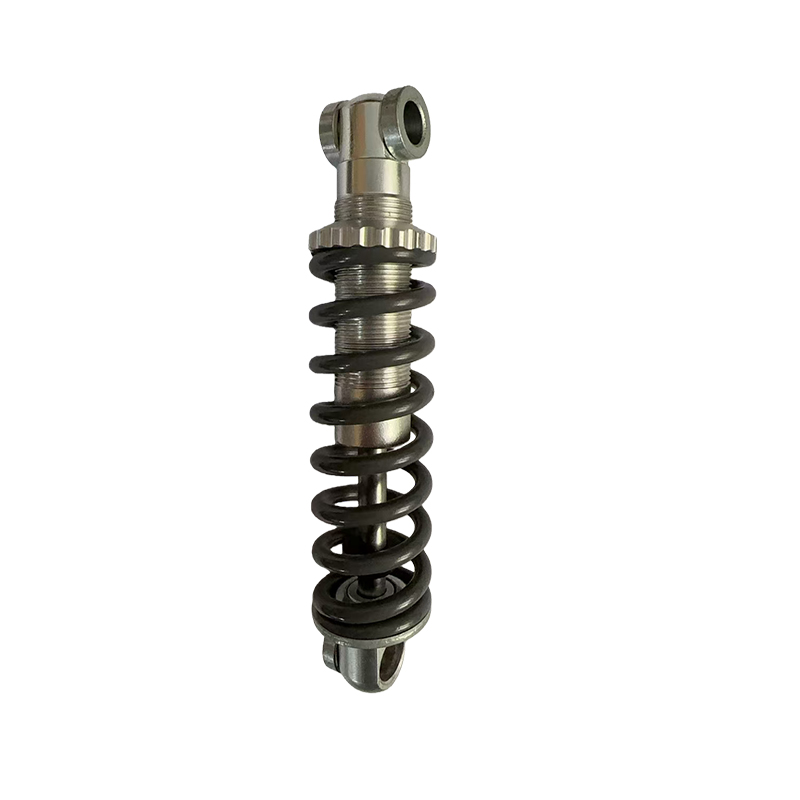
Damping shock absorbers are an indispensable core component of modern mechanical systems and engineering equipment. Their existence goes beyond simply reducing vibration; they comprehensively improve equipment performance, stability, and lifespan.
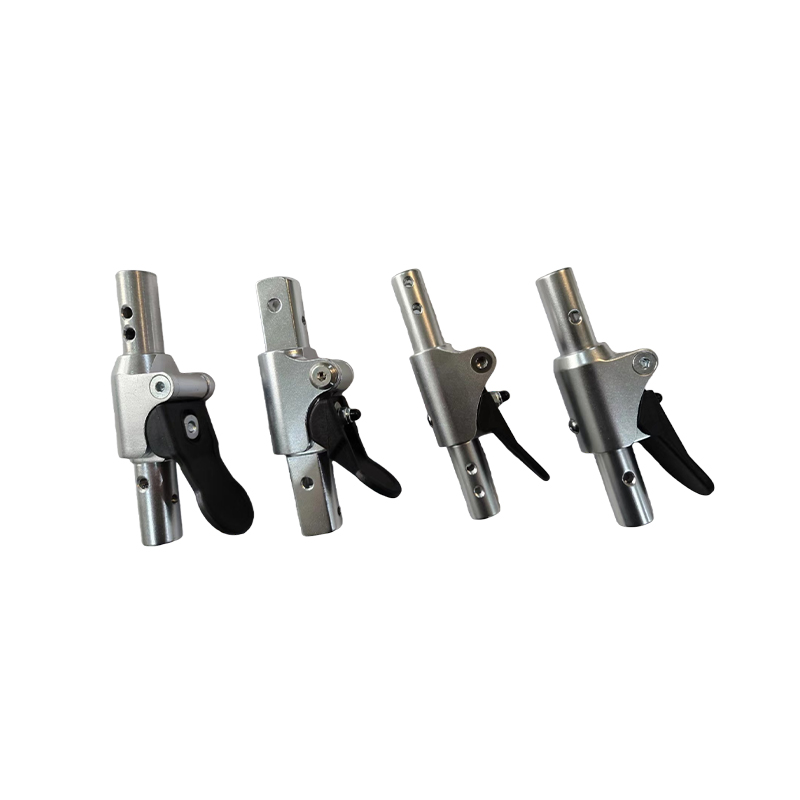
In the realm of assistive technology, the design and manufacturing of manual wheelchairs have undergone significant evolution, driven by the dual demands of enhanced user independence and superior product longevity.
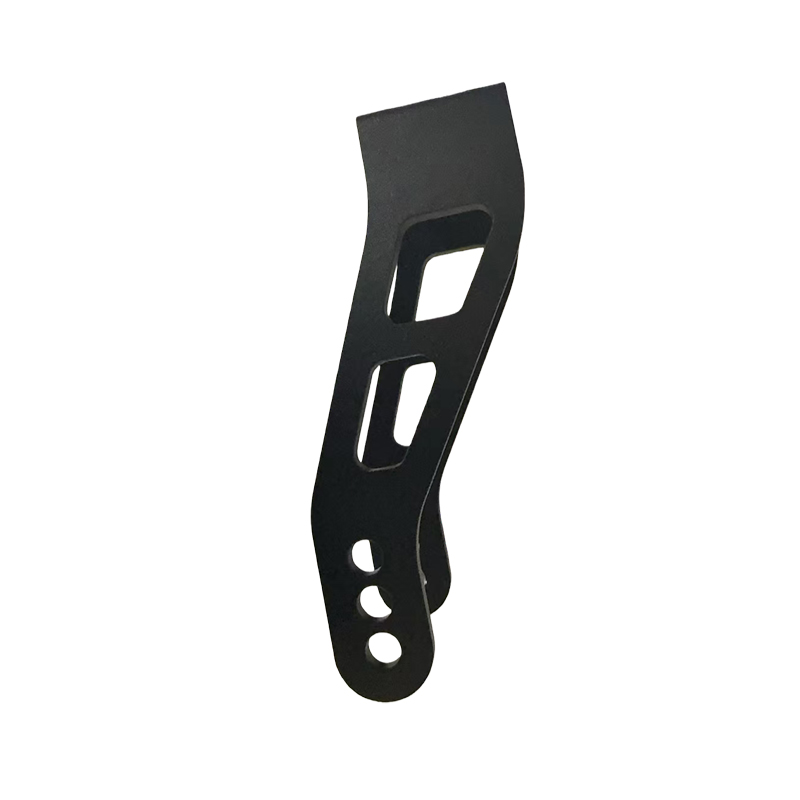
The manufacturing of high-performance mobility aids requires a meticulous balance between weight reduction and structural integrity.
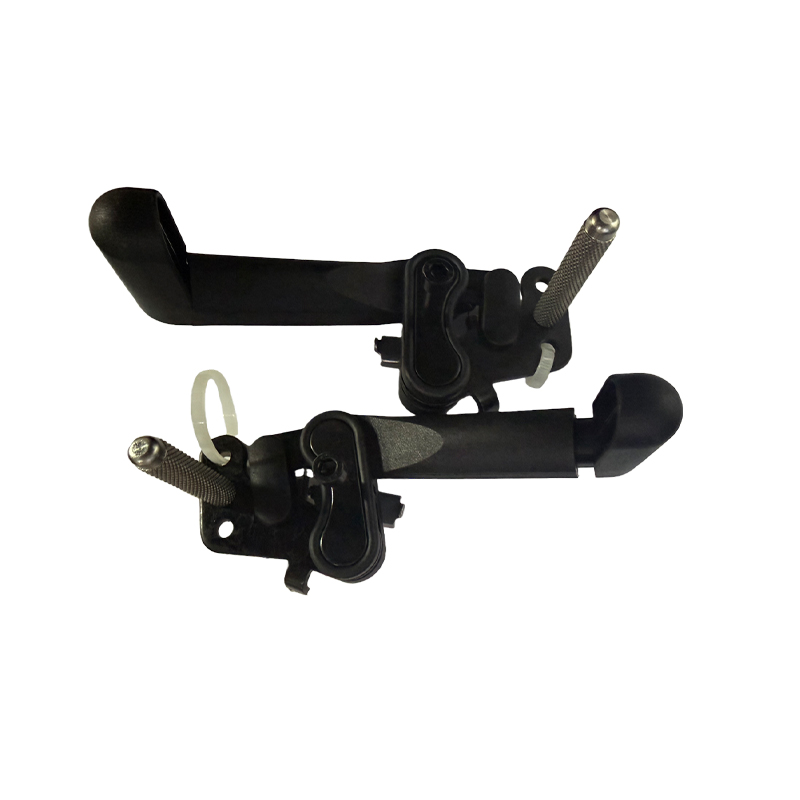
In the realm of mobility assistance, the wheelchair is not merely a vehicle but an extension of the user’s body, providing freedom and independence. Central to the safety and functionality of this device is the braking system.