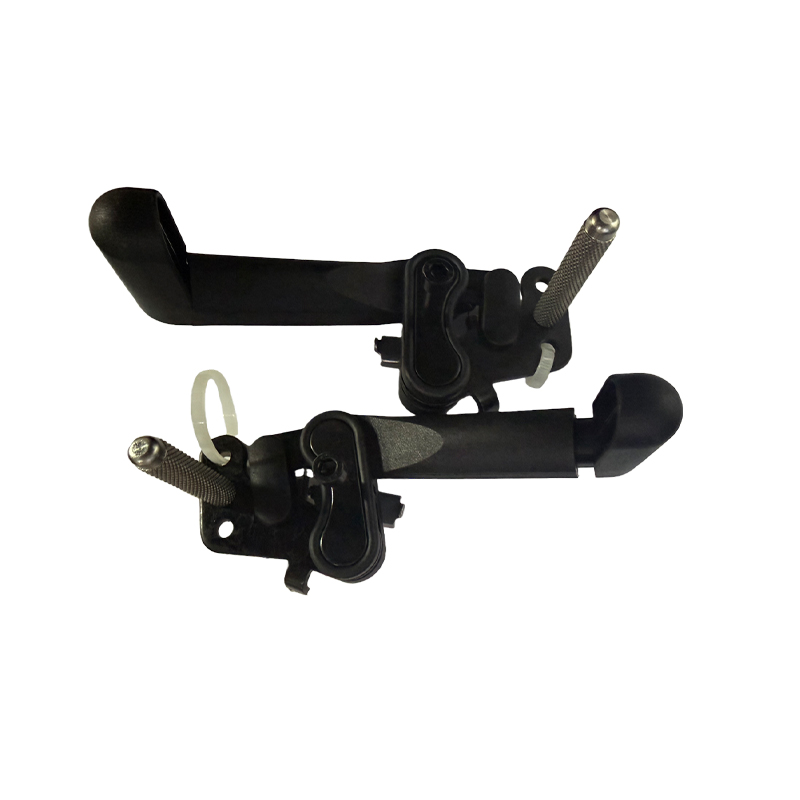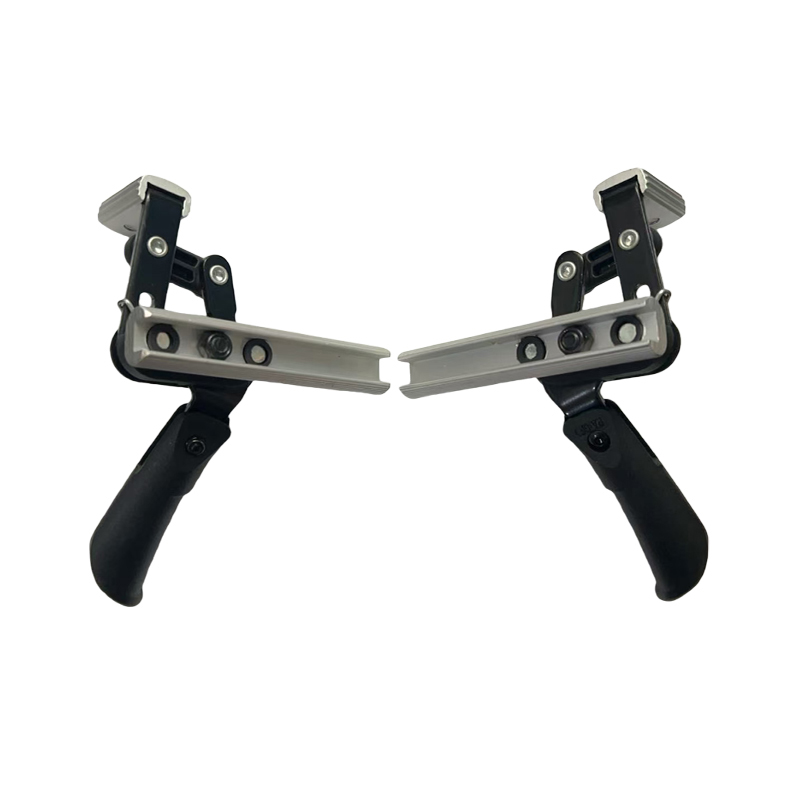

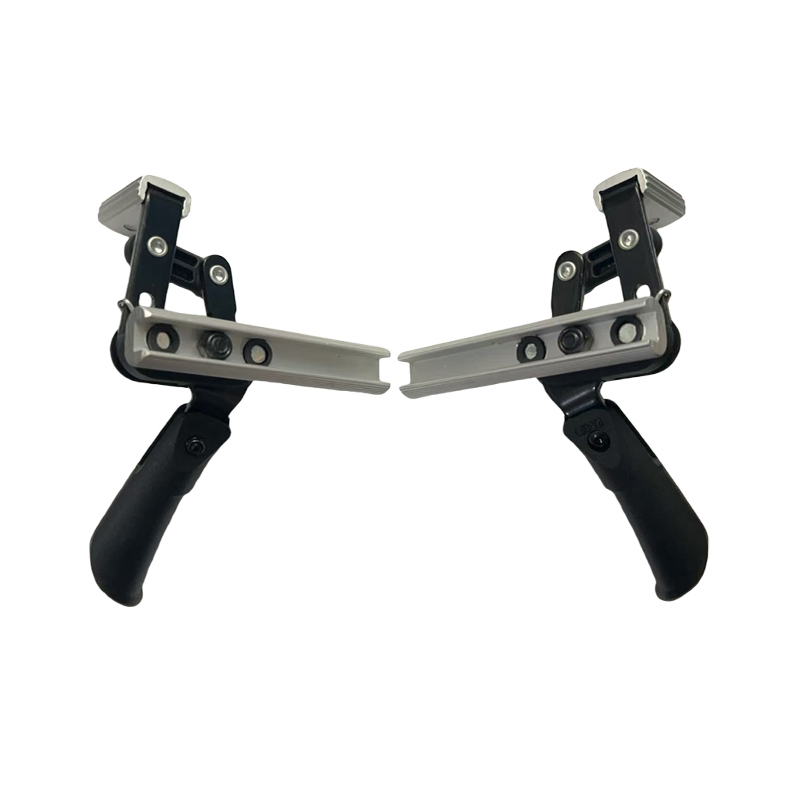
In the daily lives of wheelchair users, every stop, every ramp parking maneuver, and every transition between getting in and out of the wheelchair relies on a seemingly simple yet crucial device—wheelchair brakes.
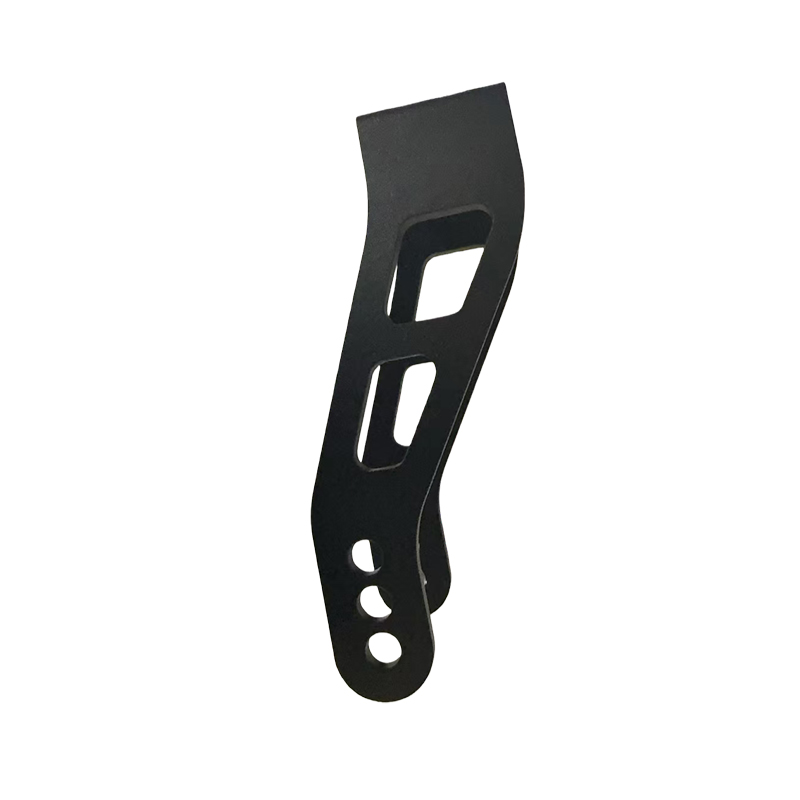
The complex three-dimensional curved surfaces, variable cross-section transitions, and local reinforcing ribs of aluminum wheelchair forks pose extremely high challenges to forming precision.
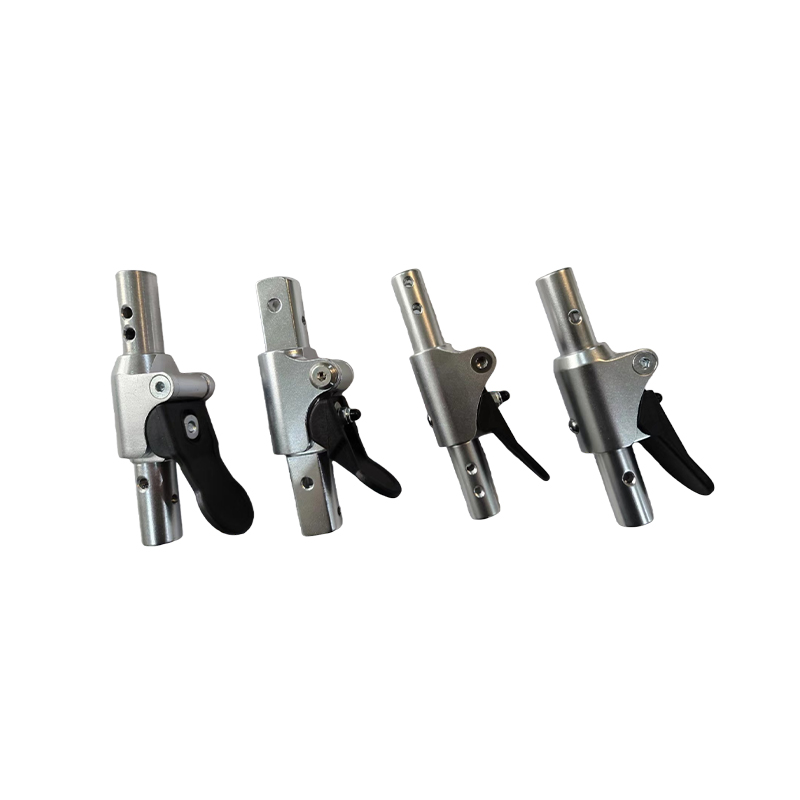
As a core load-bearing and moving component, the wheelchair folding backrest must withstand tens of thousands, even hundreds of thousands, of opening and closing cycles without breakage, deformation, or functional failure, while maintaining a lightweight
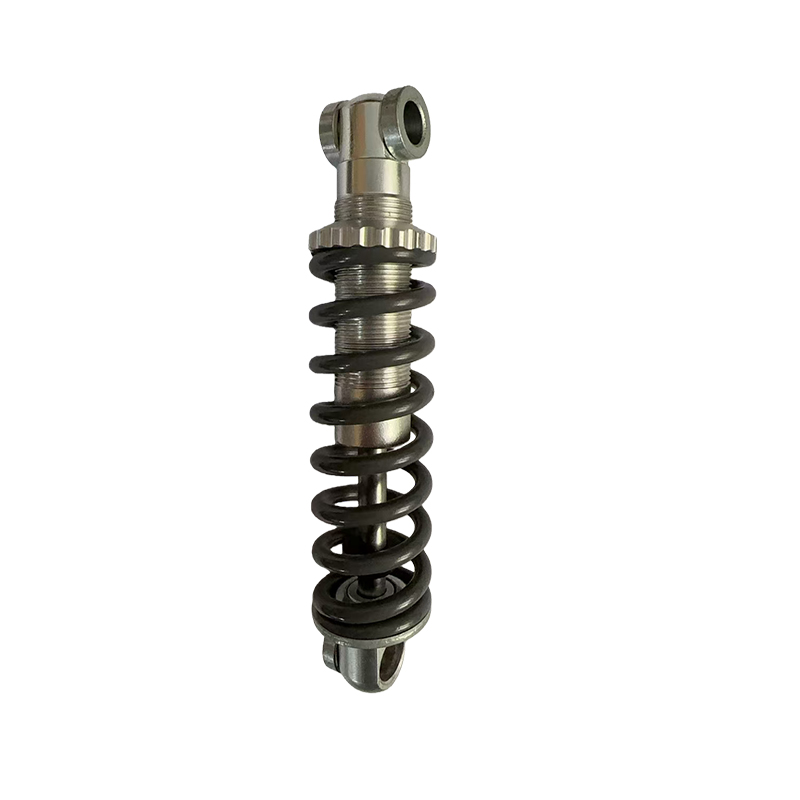
In today's world, with high-speed operation of modern industrial equipment, frequent starts and stops of vehicles, building structures bearing wind loads and earthquakes, and even the pursuit of quiet and comfortable home appliances, vibration and impact
Wheelchair brakes achieve the ideal effect of "a light press, a steady stop"—a perfect balance of low operating force and high braking force—through optimized leverage principles, upgraded friction materials, structural innovation, and ergonomic design.
For wheelchair users, every stop is a matter of safety and dignity. This is achieved by the seemingly simple yet crucial braking system.